

I was thinking about rolling up a Bard for my next D&D game and I saw this post over at blackcitadelrpg.com that pointed out that the inventory for available instruments has been expanded quite a bit since the last time that I looked it over. Most of them are fairly familiar, but there were a few on the list that I had no idea what they looked like. I did some Googling to see if anyone had put together a list that had images and I had trouble finding that resource, so I put one together myself. I copy-and-pasted all of the descriptions from Scott’s post listed above. The other instruments that weren’t in that post are copied from The Forgotten Realms Fandom.com Wiki or Wikipedia.
Name
Description
Real Photo
DnD Art
Real Musician
DnD Character
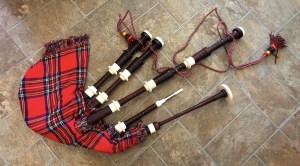
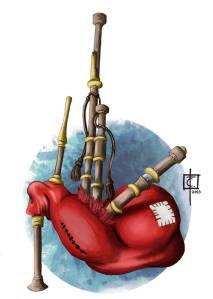
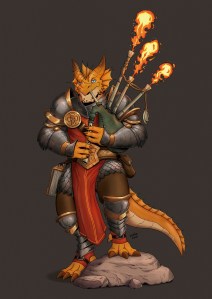
Bagpipes
A reeded woodwind instrument consisting of several pipes connected to a bladder filled with air. The bladder itself would be made of various types of leather. More expensive bagpipes might have gold or silver inlays along the pipes and chanter (the pipe with holes which you cover to produce different notes.)

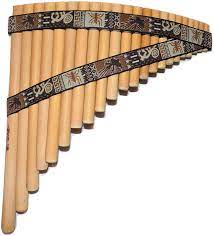
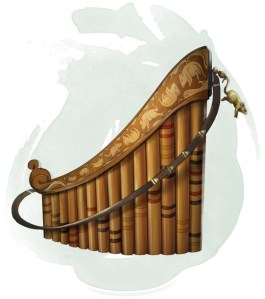
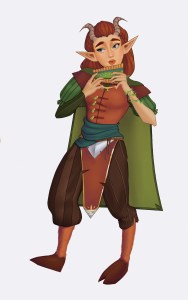
Birdpipes / Pan Flute
A series of thin wooden tubes of various lengths joined together side by side. The result is what looks like a triangle with the shortest tube on one side and the longest at the other. The musician blows through the top, shifting to different tubes to produce different notes.

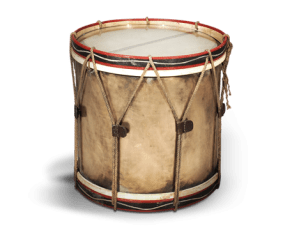
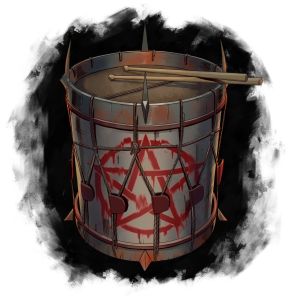
Drum
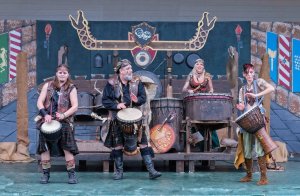
A drum in the fantasy setting refers to any form of leather pulled over an open wooden barrel. The size of the barrel and tautness of the leather all greatly affect the pitch and sound of the drum, so a single musician may carry multiple to create a deeper harmony.

Dulcimer
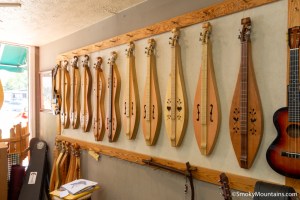
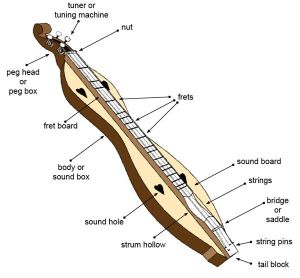
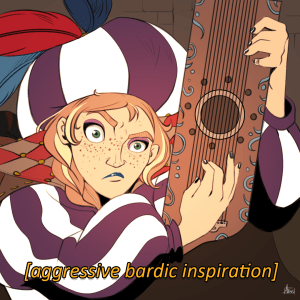
Dulcimers come in many shapes and sizes, but consist of a hollow wooden slab with strings running along the body, much like a guitar or violin. These strings however, are hit with small hammers to produce notes instead of being plucked. A musician would likely carry a uniquely shaped dulcimer to garner interest.

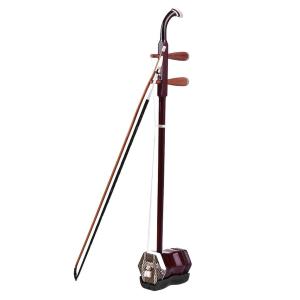
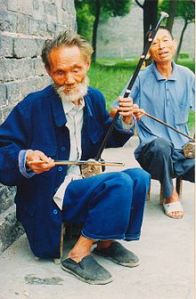
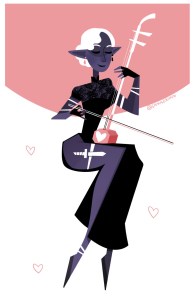
Erhu
Two strings along the handle of what looks like a large mallet. The strings are struck with a bow much like a member of the viol family, but it creates a different sound and is more appropriate for a far-traveler.

Flute
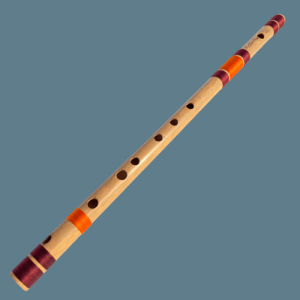
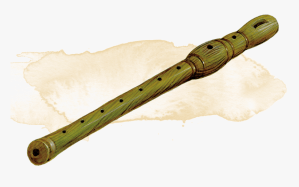
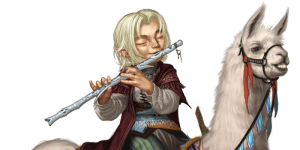
A very simple instrument consisting of a wooden, or sometimes metal, tube with holes that are covered to create sounds. Medieval flutes would look much more similar to a sideways recorder than they would to a modern flute which has a series of valves running along the body.

Glaur
This instrument is a part of D&D lore and is not a traditional instrument on Earth.
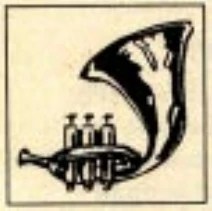
The glaur was a more versatile instrument than other trumpets. Its sound was brash and metallic. Glaurs made of brass, silver and electrum were available for purchase through Aurora’s Whole Realms Catalogue.
A variant of the glaur without the valves was called a gloon and had a more mournful sound.
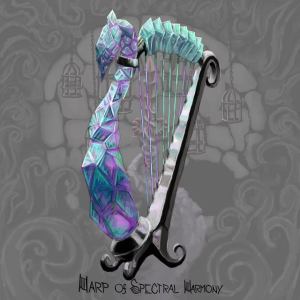
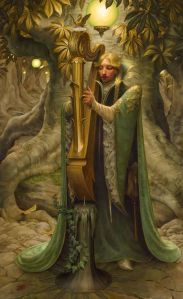
Harp
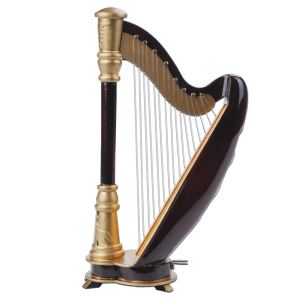
A very large upright lyre which is played in a stand while the musician sits so that they can more easily strike all of the strings without struggling to hold the instrument in place.

Horn
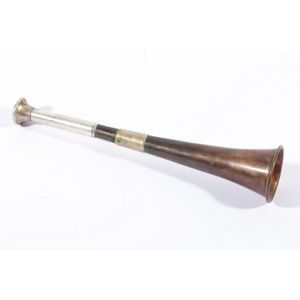
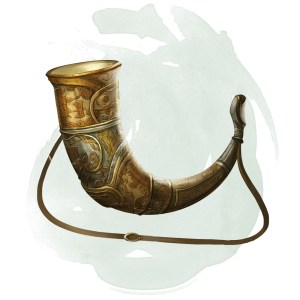
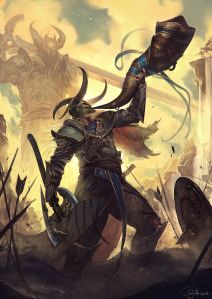
Horns are a wide range of instruments consisting of a brass tube with a bell shaped opening on one end and a smaller mouthpiece on the other. Typically speaking, the smaller the length of pipe is, the higher of a pitch the instrument will make. Depending on the technological state of your world, horns may even have valve-like openings which , when pressed, change the pitch of the instrument.

Hulusi
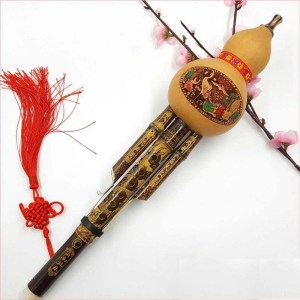
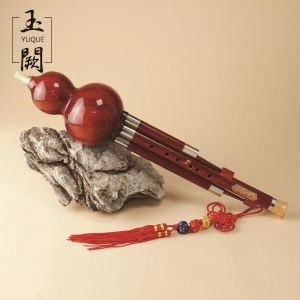
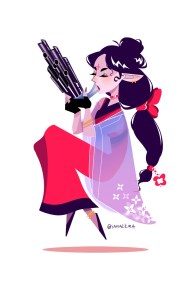
Three bamboo pipes which pass into a hollowed out gourd. The center pipe has holes to change the pitch while the other pipes drone, or create a constant harmonizing pitch so long as air is being blown through the reeded mouthpiece.

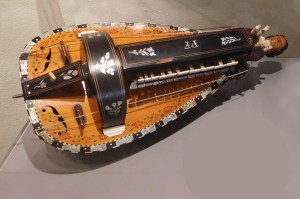
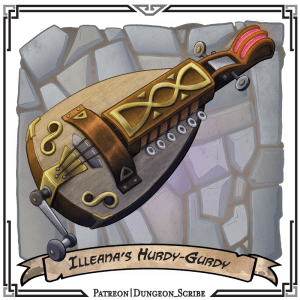
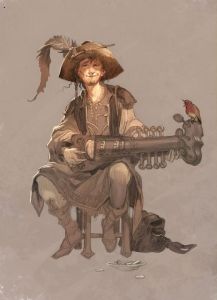
Hurdy – Gurdy
This instrument has a hand-cranked wooden wheel which strikes strings as it turns. Along the side of this bulky instrument is a keyboard, which when pressed changes the tautness, and thus the pitch, of the strings.

Longhorn
This instrument is a part of D&D lore and is not a traditional instrument on Earth.
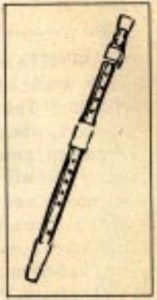
A longhorn was a type of Faerûnian flute that was commonly found in civilized regions, or in elven communities.
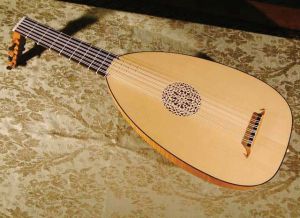
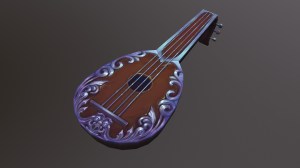
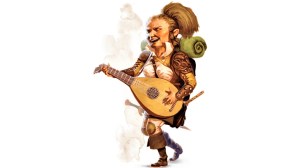
Lute
A plucked string instrument with a deep hollow body made of wood. Typically lutes have an opening on the front for sound to come out of, but there are some enclosed lutes which create a more eerie and muffled sound.

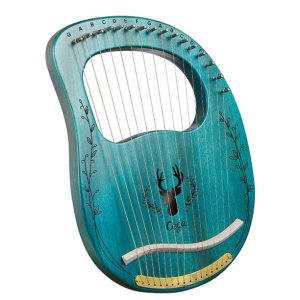
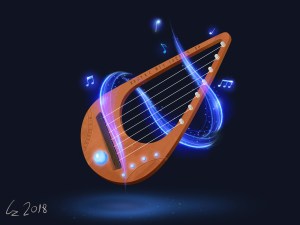
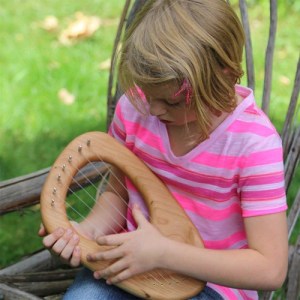
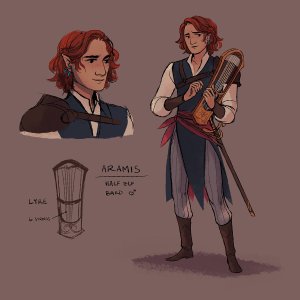
Lyre
Lyres have a U-shaped body with a connecting piece along the top of the U and several plucked strings running parallel to the sides. These range from very simple to extremely ornate and can have any number of strings, although a standard lyre is wooden with 7 strings.
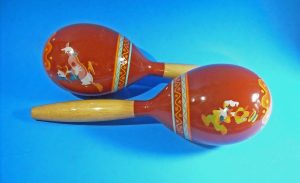
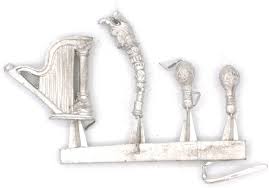
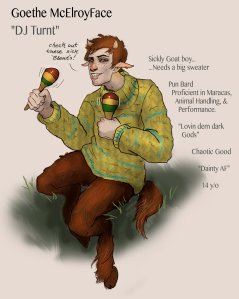
Maracas
Typically played with a pair, maracas are gourds, or hollowed wood in the shape of a gourd, filled with dried beans, rice, or pellets of some variety. These are shaken to produce a percussive beat.

Sackbut
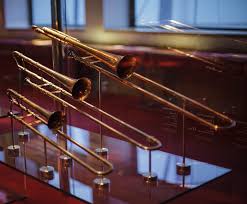
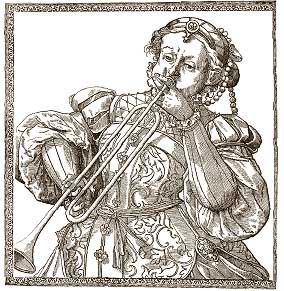
Once you’re done laughing at the name… the sackbut is a horn instrument which includes a U-shaped length of pipe that can slide back and forth to change the length of the instrument. It is a medieval version of what is now known as the trombone.

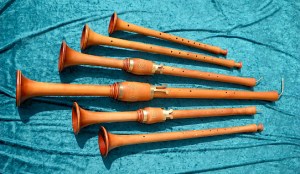
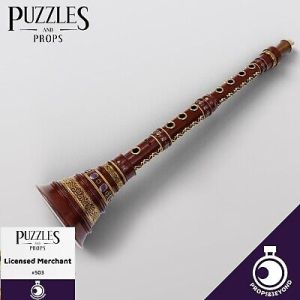
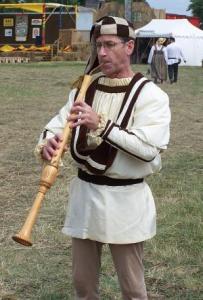
Shawm
A length of wood ending in a flared bell, much like a horn. Instead of a mouthpiece, the shawm has a reed which the musician vibrates to create pitches. Shawms can be of various sizes, with the smaller being the higher pitched, but all have a series of holes bored into them to create the different individual notes.
Songhorn
This instrument is a part of D&D lore and is not a traditional instrument on Earth.
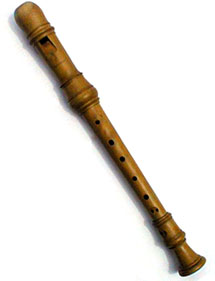
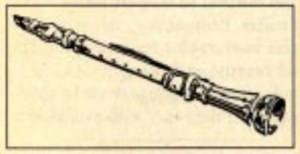
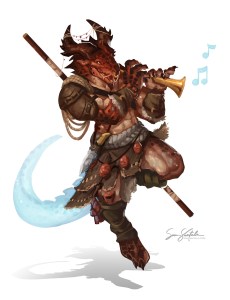
Songhorns were simple recorders made of wood. Their sound was mellower than that of longhorns and fared better on lower ranges.
They were available for purchase through Aurora’s Whole Realms Catalogue.
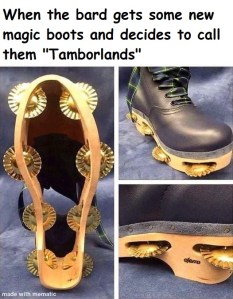
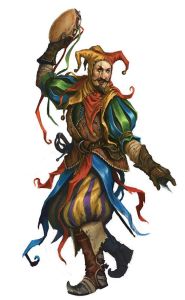
Tambourine / Tantan
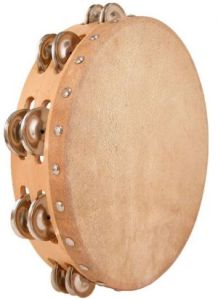
A very flat drum with small metal discs inserted around the edge. These discs clap together as the handheld drum is hit to create a jingling sound along with the drum’s bass sound. “Tantan” is the Forgotten Realms name for the instrument and it does not appear to have any relation to the tan-tan, a large drum from Brazil.

Thelarr
This instrument is a part of D&D lore and is not a traditional instrument on Earth.
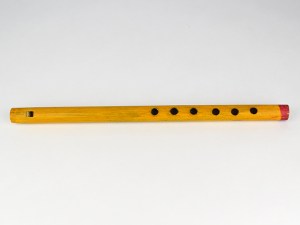
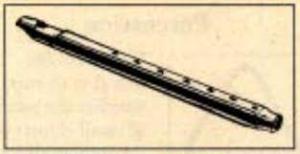
A thelarr was a simple wind instrument cut from a reed. It was considered a rustic longhorn.
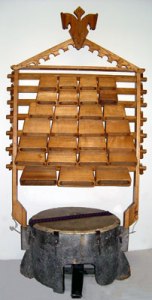
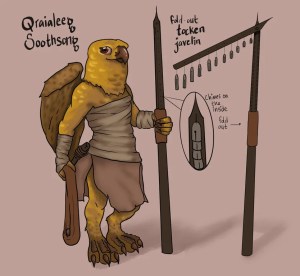
Tocken
This instrument is a part of D&D lore and is not a traditional instrument on Earth.
A tocken was a set of wooden carved oval open-ended bells that could be played either with hammers or open handed. There was also a version that used silver bells that was popular in Waterdeep in the late 14th century DR.
(The instrument pictured here is a Lithuanian skrabalai, which seems to be the closest real-world comparison I could find)
Udu
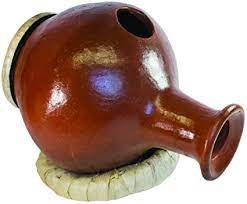
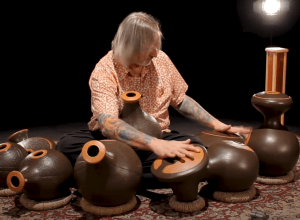
Essentially a clay water jug with an extra hole in it. The jug has a small amount of water sitting in the bottom, and is played by tapping or dragging one’s fingers along the outside.

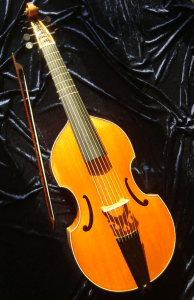
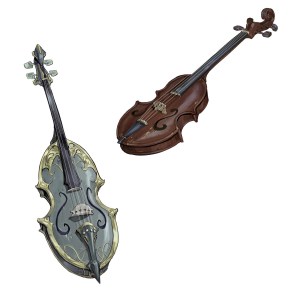
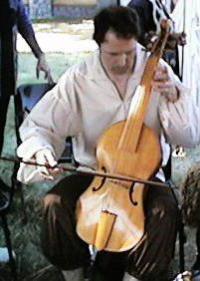
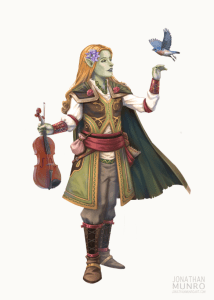
Viol
A six stringed instrument, the precursor of most stringed instruments like the violin, cello, etc. The strings, which line a hollow body, can be plucked or pressed against the body at different lengths along the neck, and have a string drawn against them to create a distinctly vibrato (vibrating) sound. Viols come in various sizes, which eventually become the specific instruments of the viol family
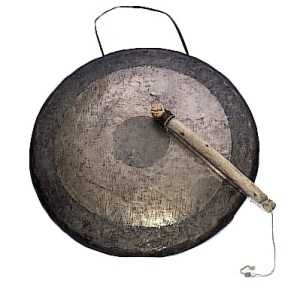
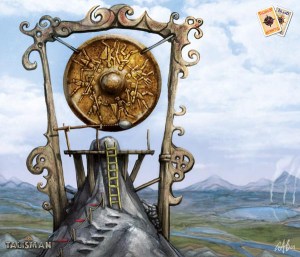
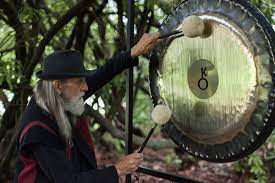
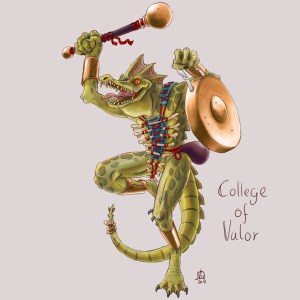
Wargong/Gong
A large plate of metal which is hit with a mallet, typically covered in cloth. A wargong has little to no variation but is typically used with the express purpose of creating a beat to command troops in battle.
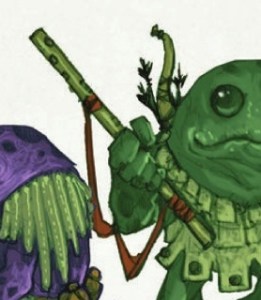
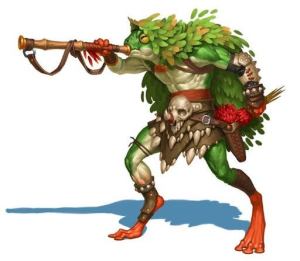
Whistle-Stick
This instrument is a part of D&D lore and is not a traditional instrument on Earth.
Very similar to a flute, this instrument is produced by the grung and creates different pitches when air is blown through it. Grung also tie a length of cord to the stick which they use to swing it over their heads, creating a unique sound as the air flows through it which can be used to communicate a variety of different messages.
Yarting
This instrument is a part of D&D lore and is not a traditional instrument on Earth.
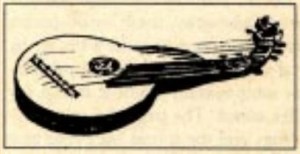
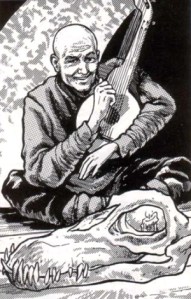
A yarting was a stringed instrument, similar to a guitar, common to Amn and Calimshan.
Yartings were widespread among bards across Faerûn, and many variations of the instrument existed.
Various sizes of yartings were available for purchase through Aurora’s Whole Realms Catalogue.
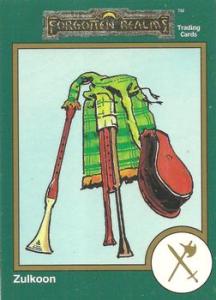
Zulkoon
This instrument is a part of D&D lore and is not a traditional instrument on Earth.
A zulkoon was a wind musical instrument that functioned like a portable pump organ.
A zulkoon player pumped air into the instrument and through its organ pipes using a foot pump. This produced a droning sound over other notes due to the constant flow of air through the instrument and conferred it a sinister and dramatic sound.
Zulkoons were available for purchase through Aurora’s Whole Realms Catalogue.
Of course, one of the beautiful thing about Dungeons & Dragons is that you’re only limited by your imagination (and you DM’s discretion), so why not add some not-officially-supported-but-probably-fun-to-play options?
Name
Description
Real Photo
Real Musician
DnD Character
Voice
I always found it odd that a Bard isn’t usually considered a Bard unless they’re carrying a lute. The human voice (or elf, or orc, or whatever) is one of the greatest musical instruments ever! I don’t see any reason why a Bard who has honed their singing voice shouldn’t be a totally viable option.


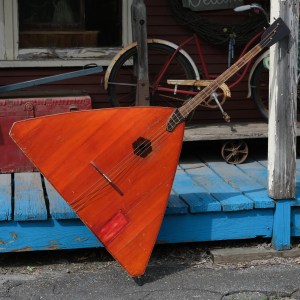
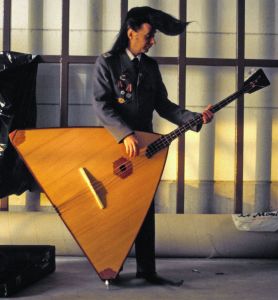
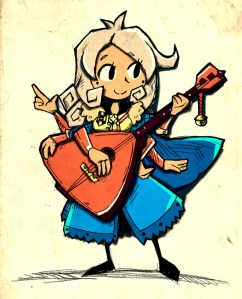
Balalaika
The balalaika is a Russian stringed musical instrument with a characteristic triangular wooden, hollow body, fretted neck and three strings. Two strings are usually tuned to the same note and the third string is a perfect fourth higher. The instrument generally has a short sustain, necessitating rapid strumming or plucking when it is used to play melodies. Balalaikas are often used for Russian folk music and dancing. The balalaika family of instruments includes instruments of various sizes, with the contrabass balalaika being the largest.
Bamboo Saxophone
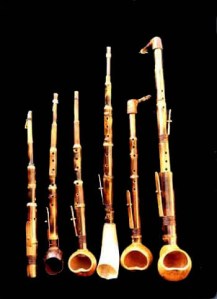
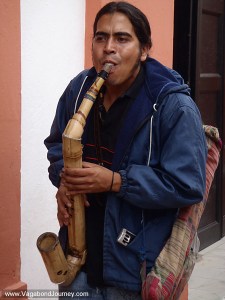
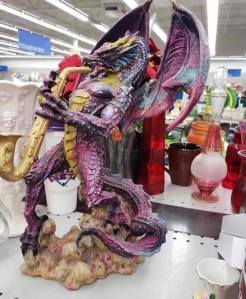
The Bamboo sax is not an imitation of brass saxes, it is an instrument in its own right. They have certain differences and similarities.
Bandura
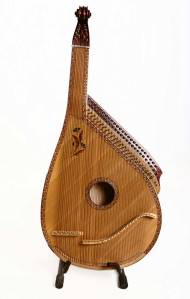
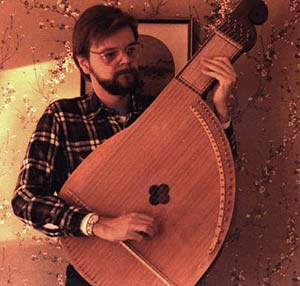
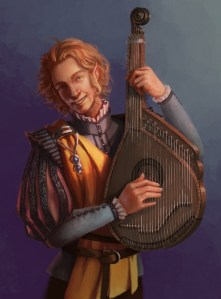
The invention of an instrument combining the elements of lute and psaltery itself is currently creditable to Francesco Landini, an Italian lutenist-composer of trecento. Filippo Villani writes in “Liber de civitatis Florentiae”: “…(Landini) invented a new sort of instrument, a cross between lute and psaltery, which he called the serena serenarum, an instrument that produces an exquisite sound when its strings are struck.”
The rare iconographic evidence (Magnasco) points that such instruments were still in use in Italy ca.1700. Similar instruments are documented in Ukraine from the previous century.
Body Percussion / Slaps / Hambone / Beatbox
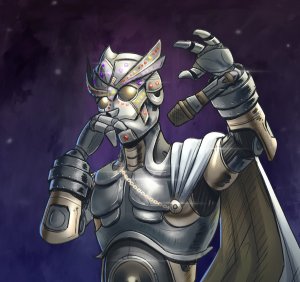
There are a lot of things one can do with the humanoid body to make sounds. Why not try slapping some bits around and making music with the instrument that you were born with?


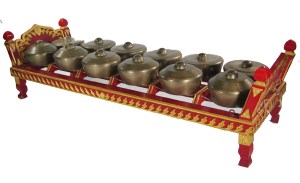
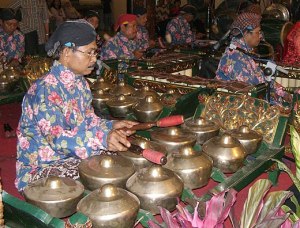
The Bonang
One of the lead instruments in Javanese Gamelan music. The Bonang is composed of a double-row of horizontally mounted tuned bronze kettle gongs and is usually played with two padded beaters (tabuh). All of the kettles have a central boss, but around it the lower-pitched ones have a flattened head, while the higher ones have an arched one.

Chapman Stick
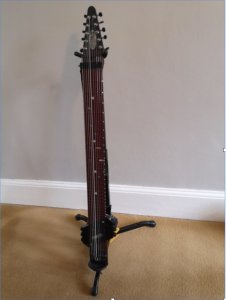
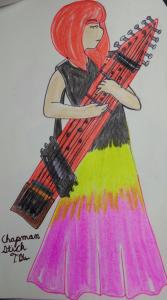
The Chapman Stick is an electric musical instrument devised by Emmett Chapman in the early 1970s. A member of the guitar family, the Chapman Stick usually has ten or twelve individually tuned strings and is used to play bass lines, melody lines, chords, or textures. Designed as a fully polyphonic chordal instrument, it can also cover several of these musical parts simultaneously.
A Stick looks like a wide version of the fretboard of an electric guitar, but with 8, 10, or 12 strings. It is, however, considerably longer and wider than a guitar fretboard. Unlike the electric guitar, it is usually played by tapping or fretting the strings, rather than plucking them. Instead of one hand fretting and the other hand plucking, both hands sound notes by striking the strings against the fingerboard “behind” (in guitar parlance, this means a short distance towards the tuning machines) on the appropriate frets for the desired notes.

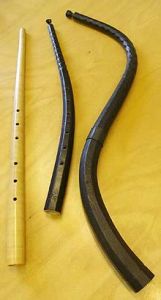
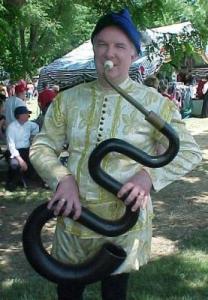
Cornett
The cornett is an early wind instrument that dates from the Medieval, Renaissance and Baroque periods, popular from 1500 to 1650. It is not to be confused with the trumpet-like cornet.
The sound of the cornett is produced by lip vibrations against a cup mouthpiece, similar to modern brass instruments. A cornett consists of a conical wooden pipe covered in leather, is about 24 inches (60 cm) long, and has finger holes and a small horn, ivory, or bone mouthpiece.
Didgeridoo
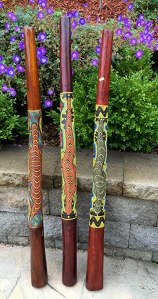
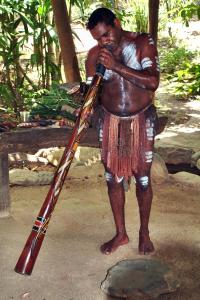
The didgeridoo is a wind instrument, played with continuously vibrating lips to produce a continuous drone while using a special breathing technique called circular breathing. The didgeridoo was developed by Aboriginal peoples of northern Australia at least 1,500 years ago, and is now in use around the world, though still most strongly associated with Indigenous Australian music.
A didgeridoo is usually cylindrical or conical, and can measure anywhere from 1 to 3 m (3 to 10 ft) long. Most are around 1.2 m (4 ft) long. Generally, the longer the instrument, the lower its pitch or key. Flared instruments play a higher pitch than unflared instruments of the same length.
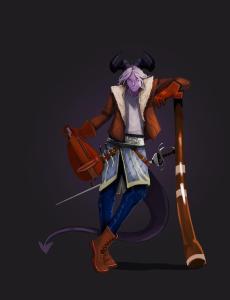
Extended Range Guitar
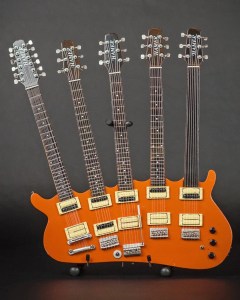
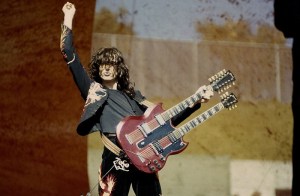
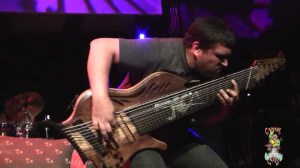
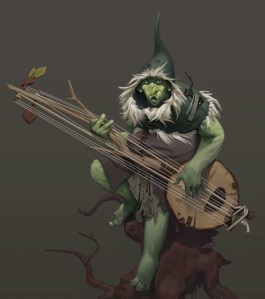
Guitars come in many shapes and sizes. Some of the oddest guitars I’ve ever seen are the ones that try to cover more range than a traditional guitar. Most of these guitars involve adding more strings of varying thickness to add range to the notes that the instrument can play. Sometimes these strings are added inline, but sometimes people will also add extra necks and essentially Frankenstein multiple guitars into one monster of an instrument.

Extended Range Bass
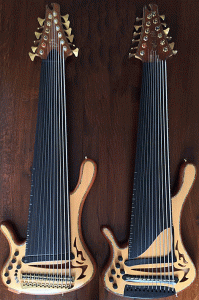
Much like extended range guitars, extended range basses attempt to expand the range of the normal electric bass guitar. Most extended range basses add additional strings inline and thicken the neck of the bass. Common extended range basses include the 5-string and 6-string bass, but there are quite a few musicians out there who play 8-string and 11-string basses. There are also a variety of bass guitar that uses 12-strings that are laid out similar to a 6-string guitar, but with 2 strings slightly offset from each other where there would normally only be the one string.
Glass Armonica
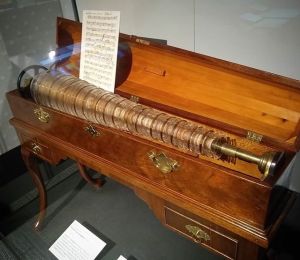
The glass armonica is a type of musical instrument that uses a series of glass bowls or goblets graduated in size to produce musical tones by means of friction (instruments of this type are known as friction idiophones). Essentially, it’s a full set of glasses that can be played with the fingers all bundled up in one convenient package. It is also worth noting that the glass armonica was invented in 1761 by Benjamin Franklin.

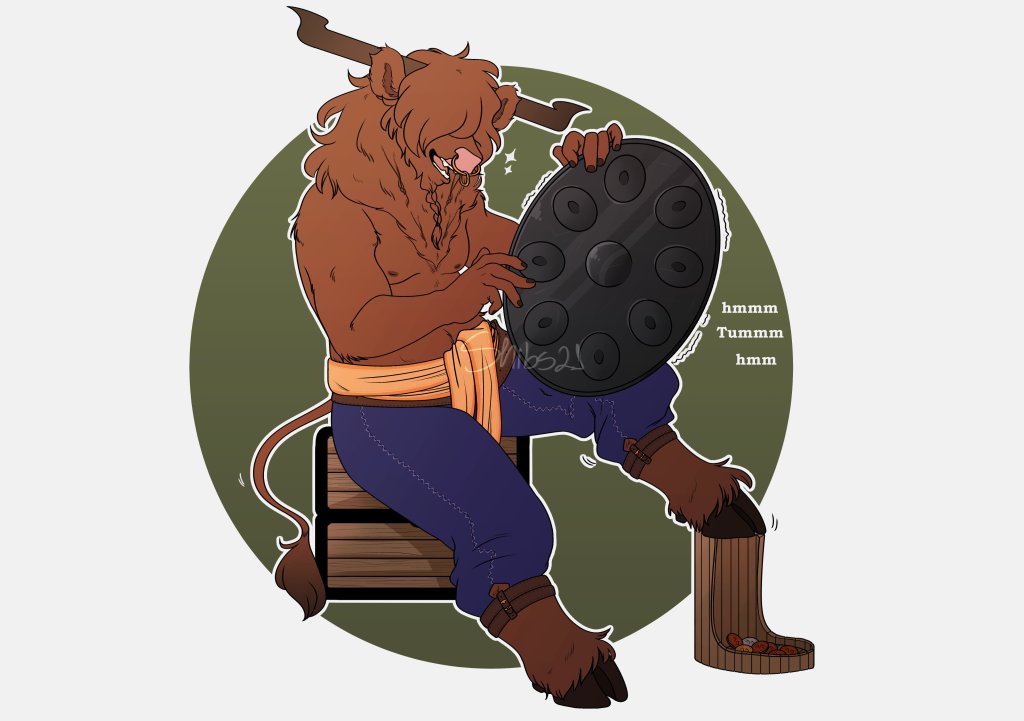
Hang Drum
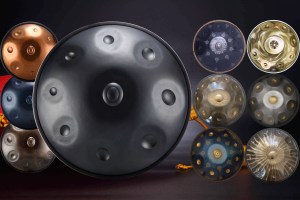
The Hang is a type of musical instrument called a handpan, fitting into the idiophone class and based on the Caribbean steelpan instrument. It was created by Felix Rohner and Sabina Schärer in Bern, Switzerland. The Hang is sometimes referred to as a hang drum, but the inventors consider this a misnomer and strongly discourage its use.
The instrument is constructed from two half-shells of deep drawn, nitrided steel sheet glued together at the rim leaving the inside hollow and creating the shape of a convex lens. The top (“Ding”) side has a center ‘note’ hammered into it and seven or eight ‘tone fields’ hammered around the center. The bottom (“Gu”) is a plain surface that has a rolled hole in the center with a tuned note that can be created when the rim is struck.

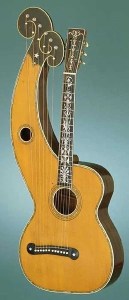
Harp Guitar
The harp guitar (or “harp-guitar”) is a guitar-based stringed instrument generally defined as a “guitar, in any of its accepted forms, with any number of additional unstopped strings that can accommodate individual plucking.” The word “harp” is used in reference to its harp-like unstopped open strings. A harp guitar must have at least one unfretted string lying off the main fretboard, typically played as an open string.
This family consists of many varieties of instrument configurations. Most readily identified are American harp guitars with either hollow arms, double necks or harp-like frames for supporting extra bass strings, and European bass guitars (or contraguitars). Other harp guitars feature treble or mid-range floating strings, or various combinations of multiple floating string banks along with a standard guitar neck.

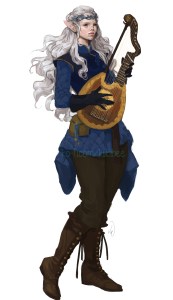
Kazoo
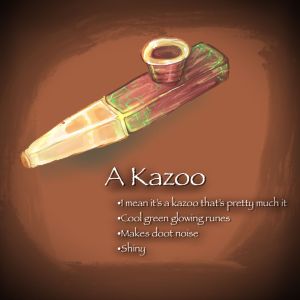
The kazoo is an American musical instrument that adds a “buzzing” timbral quality to a player’s voice when the player vocalizes into it. It is a type of mirliton (which itself is a membranophone), one of a class of instruments which modifies its player’s voice by way of a vibrating membrane of goldbeater’s skin or material with similar characteristics.
Similar hide-covered vibrating and voice-changing instruments have been used in Africa for hundreds of years, often for ceremonial purposes.

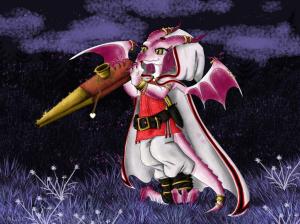
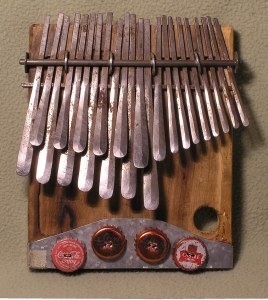
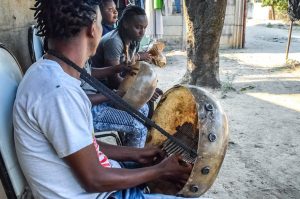
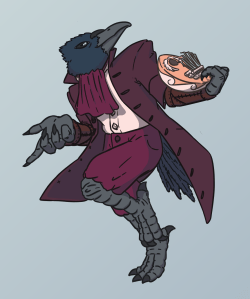
Mbira / Kalimba
Mbira are a family of musical instruments, traditional to the Shona people of Zimbabwe. They consist of a wooden board (often fitted with a resonator) with attached staggered metal tines, played by holding the instrument in the hands and plucking the tines with the thumbs (at minimum), the right forefinger (most mbira), and sometimes the left forefinger. Musicologists classify it as a lamellaphone, part of the plucked idiophone family of musical instruments.
A modern interpretation of the instrument, the kalimba, was commercially produced and exported by ethnomusicologist Hugh Tracey in the late 1950s, popularising similar instruments outside of Africa. Tracey’s design was modeled after the mbira nyunga nyunga and named ‘Kalimba’ after an ancient predecessor of the mbira family of instruments.
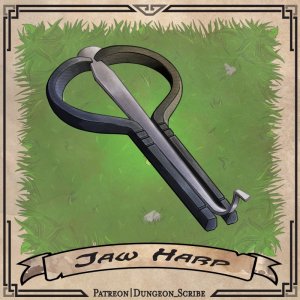
Mouth Harp / Jaw Harp
The frame is held firmly against the performer’s parted teeth or lips (depending on the type), using the jaw and mouth as a resonator, greatly increasing the volume of the instrument. The teeth must be parted sufficiently for the reed to vibrate freely, and the fleshy parts of the mouth should not come into contact with the reed to prevent damping of the vibrations and possible pain. The note or tone thus produced is constant in pitch, though by changing the shape of the mouth, and the amount of air contained in it (and in some traditions closing the glottis), the performer can cause different overtones to sound and thus create melodies.


Musical Saw
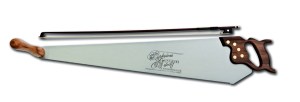
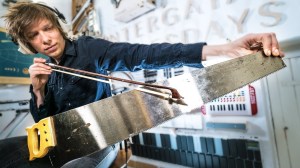
A musical saw, also called a singing saw, is a hand saw used as a musical instrument. Capable of continuous glissando (portamento), the sound creates an ethereal tone, very similar to the theremin. The musical saw is classified as a plaque friction idiophone with direct friction under the Hornbostel-Sachs system of musical instrument classification, and as a metal sheet played by friction under the revision of the Hornbostel-Sachs classification by the MIMO Consortium.
Ocarina
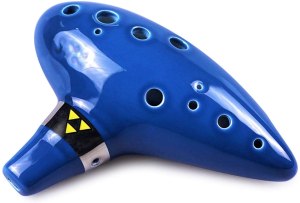
The ocarina is a wind musical instrument; it is a type of vessel flute. Variations exist, but a typical ocarina is an enclosed space with four to twelve finger holes and a mouthpiece that projects from the body. It is traditionally made from clay or ceramic, but other materials are also used, such as plastic, wood, glass, metal, or bone.

Psaltery
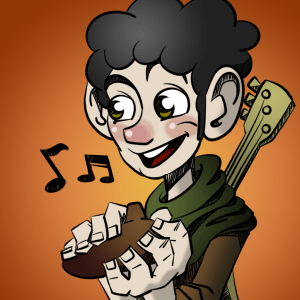
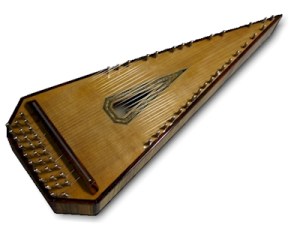
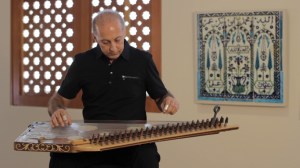
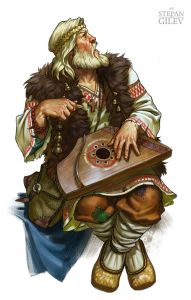
A psaltery is a stringed musical instrument, appearing in many different forms and styles throughout history. On some psalteries the strings were plucked, on others they were struck, and still others they were bowed. Plucked psalteries are probably of the oldest variety of psaltery, being very similar to a small harp or zither.
Sitar
A sitar can have 18, 19, 20, or 21 strings; 6 or 7 of these run over curved, raised frets and are played strings; the remainder are sympathetic strings (tarb, also known as taarif or tarafdaar), running underneath the frets and resonating in sympathy with the played strings. These strings are generally used to set the mood of a raga at the very beginning of a presentation. The frets, which are known as pardā or thaat, are movable, allowing fine tuning. The played strings run to tuning pegs on or near the head of the instrument, while the sympathetic strings, which have a variety of different lengths, pass through small holes in the fretboard to engage with the smaller tuning pegs that run down the instrument’s neck.


Surbahar
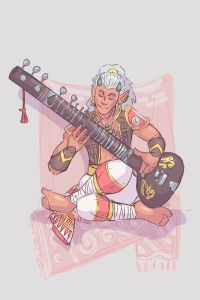
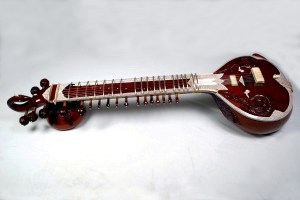
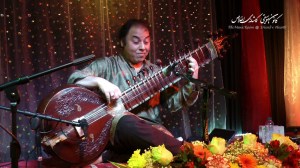
Surbahar sometimes known as bass sitar, is a plucked string instrument used in the Hindustani classical music of the Indian subcontinent.

Steelpan Drum
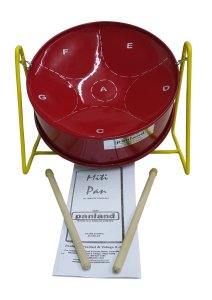
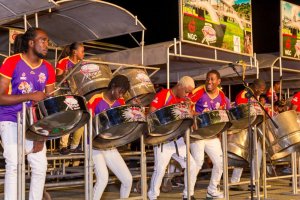
Drum refers to the steel drum containers from which the pans are made; the steel drum is more correctly called a steel pan or pan as it falls into the idiophone family of instruments, and so is not a drum (which is a membranophone). Some steelpans are made to play in the Pythagorean musical cycle of fourths and fifths.
Pan is played using a pair of straight sticks tipped with rubber; the size and type of rubber tip varies according to the class of pan being played. Some musicians use four pansticks, holding two in each hand. This grew out of Trinidad and Tobago’s early 20th-century Carnival percussion groups known as tamboo bamboo.
Theremin
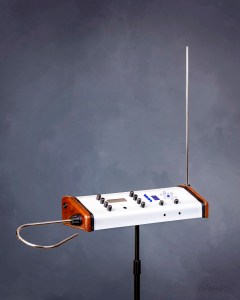
The theremin is an electronic musical instrument controlled without physical contact by the performer. The instrument’s controlling section usually consists of two metal antennas which sense the relative position of the thereminist’s hands and control oscillators for frequency with one hand, and amplitude (volume) with the other.
The sound of the instrument is often considered eerie or spooky. The sound is often heard in Science Fiction and Horror movies that predate computer audio.


Tsabouna
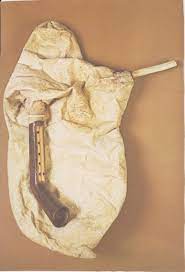
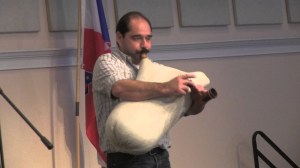
The tsampouna is a Greek musical instrument and part of the bagpipe family. It is a double-chantered bagpipe, with no drone, and is inflated by blowing by mouth into a goatskin bag. The instrument is widespread in the Greek islands.
Washtub Bass
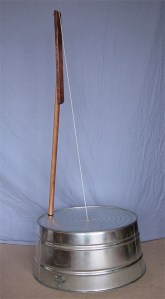
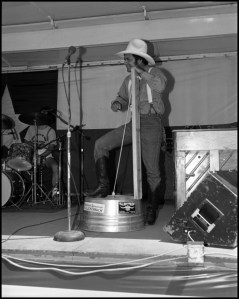
The washtub bass, or gutbucket, is a stringed instrument used in American folk music that uses a metal washtub as a resonator. Although it is possible for a washtub bass to have four or more strings and tuning pegs, traditional washtub basses have a single string whose pitch is adjusted by pushing or pulling on a staff or stick to change the tension.
Xaphoon / Pocket Sax
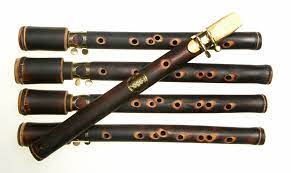
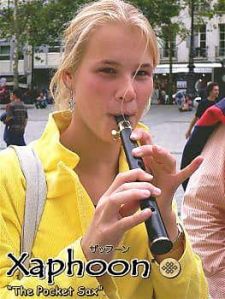
The xaphoon is a chromatic keyless single-reed woodwind instrument. It has a closed cylindrical bore and a very slightly flared bell. The xaphoon has a full chromatic range of two octaves, and overblows at the twelfth like the clarinet.
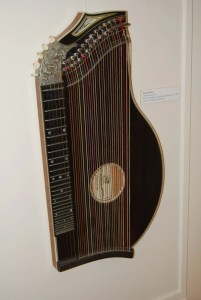
Zither
Zither is a class of stringed instruments. Historically, the name has been applied to any instrument of the psaltery family, or to an instrument consisting of many strings stretched across a thin, flat body. Zithers are typically played by strumming or plucking the strings with the fingers or a plectrum.

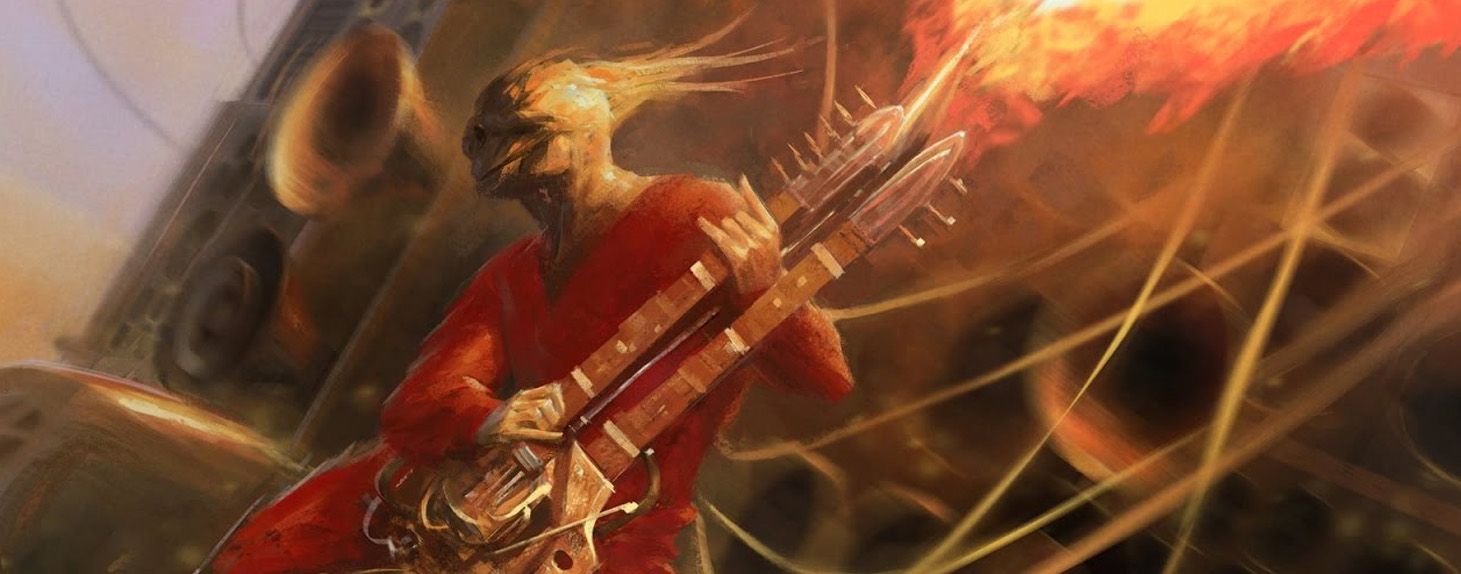
 Ryan Steiner